Eobd Code Reader Uk
Direct answer: EOBD is the European emissions-diagnostics baseline behind the OBD-style port on most modern UK passenger cars. For mainstream passenger cars, the common buyer shorthand is petrol from 2001 and diesel from 2004, but that shorthand is not a promise that every vehicle, import or module will be covered.
The EOBD summary in On-board diagnostics describes the European passenger-car timing and the shared connector family. The underlying emissions-control requirement comes from European legislation, including the text hosted by legislation.gov.uk for Directive 98/69/EC. A practical UK guide also repeats the petrol-from-2001 and diesel-from-2004 rule of thumb in its read OBD fault codes UK guide.
Compatibility checklist before buying
- Registration year: check whether the car sits inside the usual petrol/diesel EOBD window.
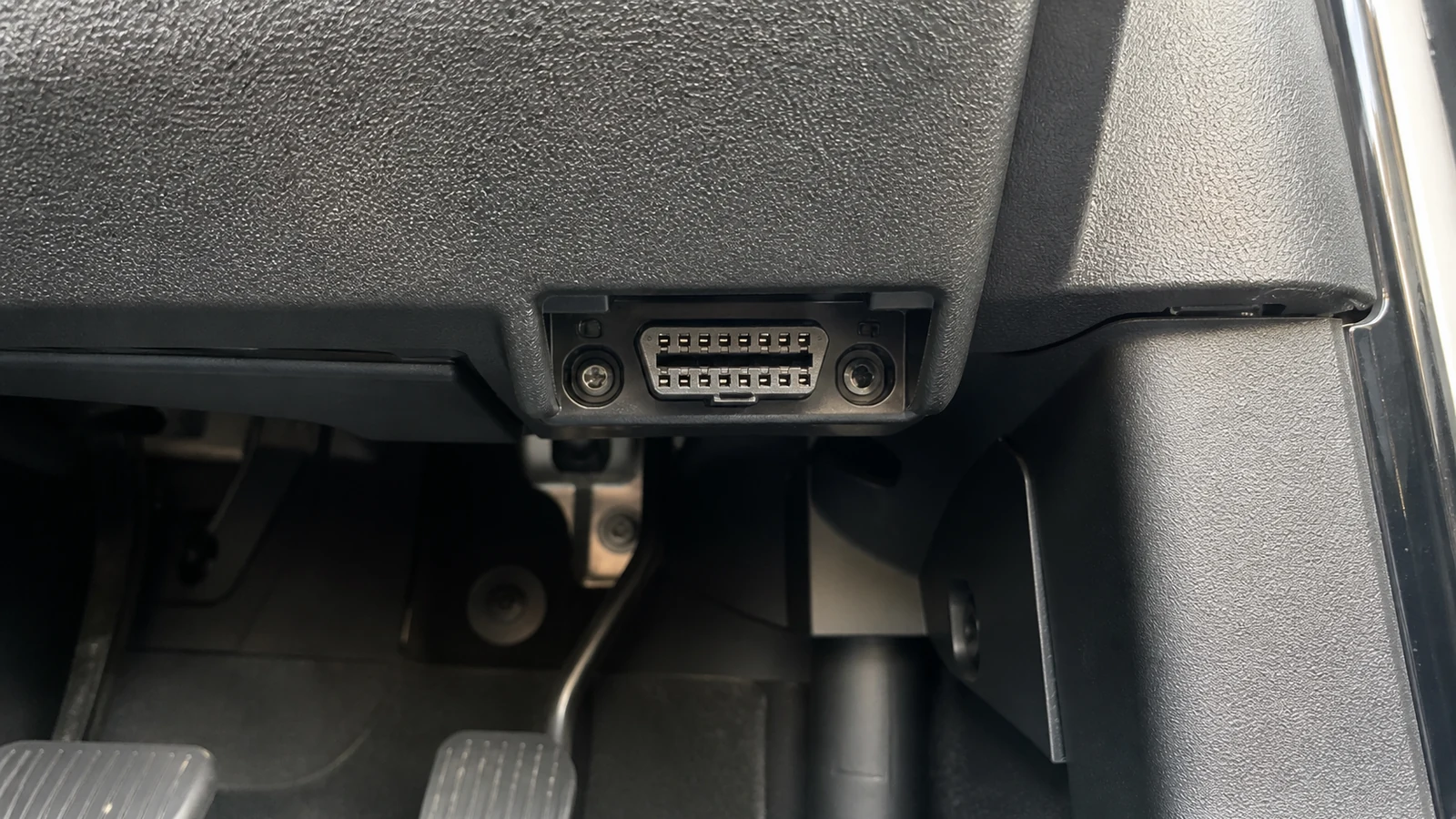
- Port: confirm there is a 16-pin diagnostic socket and that you can physically reach it.
- Fault type: generic readers are mainly for emissions-related engine and powertrain codes.
- Vehicle history: grey imports, older classics and unusual commercial variants deserve extra checking.
- Module expectations: ABS, airbag, body control, service resets and manufacturer coding usually need more than a generic EOBD reader.
Generic codes vs manufacturer codes
A generic reader is strongest with P0xxx emissions and engine-related codes. Manufacturer-specific P1xxx codes may appear, but the meaning and next step can require brand-specific information. That is why compatible should mean compatible with the job you need, not compatible with every electronic system in the car.
When not to expect miracles
Do not buy a basic EOBD reader expecting dealer-level diagnostics, EV battery-system depth, key programming, airbag repair or guaranteed coverage on pre-mandate vehicles. If your problem is a steady engine management light on a mainstream post-2001 petrol or post-2004 diesel passenger car, a generic reader is much more likely to be useful. For warning-light urgency, see flashing vs steady engine management light guidance.